
Understanding the psychological triggers behind gambling behavior
The Allure of Risk and Reward
At the heart of gambling behavior lies the fundamental human attraction to risk and reward. The thrill of potentially winning a large sum can often overshadow the risks involved. This phenomenon is rooted in our brain’s reward system, which releases dopamine, a neurotransmitter associated with pleasure, during gambling activities. For those interested in exploring their options, there are best online pokies nz available that enhance this exhilarating experience, reinforcing the desire to play again, often leading to repeated behaviors.

Additionally, the concept of variable rewards plays a significant role in gambling psychology. Unlike fixed rewards, variable rewards create uncertainty, making the outcome unpredictable. This unpredictability can heighten excitement and engagement, as players often become entranced by the possibility of winning without knowing when it might occur. This cycle of risk and reward can lead to compulsive gambling behavior, where individuals chase their losses in hopes of a more significant payout.
Moreover, the allure of risk is often compounded by social influences. In many cultures, gambling is socially acceptable and even celebrated, further motivating individuals to partake. Friends or family members engaging in gambling can reinforce the behavior, making it more appealing. This social aspect, combined with the psychological triggers of risk and reward, creates a potent cocktail that fuels gambling activity.
The Role of Cognitive Biases
Cognitive biases significantly influence gambling behavior, often leading individuals to make irrational decisions. One common bias is the illusion of control, where gamblers believe they can influence the outcome of random events, such as dice rolls or card deals. This misconception can lead to overconfidence and increased betting, as players feel empowered by their perceived skills or strategies, even when outcomes are genuinely random.
Another cognitive bias prevalent in gambling is the gambler’s fallacy. This is the belief that past events can influence future outcomes in random games. For example, if a player observes a particular number not appearing on a roulette wheel for an extended period, they may erroneously believe it is «due» to hit soon. This faulty reasoning can lead to reckless betting patterns and an increased likelihood of losses.
These cognitive biases are often reinforced by personal anecdotes or stories of success within gambling circles. When individuals hear about someone winning large sums, it can distort their perception of likelihood and success. Such narratives can obscure the reality of gambling’s risk, creating a false sense of security that encourages continued play, despite potential negative consequences.
Emotional Factors and Gambling
Emotions play a critical role in gambling behavior, serving as both motivators and regulators of gambling activity. Many individuals gamble to escape negative emotions such as stress, anxiety, or depression. The thrill and distraction provided by gambling can serve as a temporary relief from life’s pressures, although it often leads to a cycle of emotional highs and lows, where wins elate and losses exacerbate feelings of despair.
Additionally, the social environment surrounding gambling can evoke strong emotional responses. The camaraderie experienced in a casino or during a game night can enhance feelings of happiness and excitement. However, this social engagement can also mask the darker emotional aspects of gambling, such as isolation or loss, leading individuals to gamble more to regain a sense of belonging or joy.
Moreover, the emotional rollercoaster that gambling creates can contribute to compulsive behaviors. The desperation of chasing a loss or trying to recapture a previous win can lead individuals to gamble beyond their means, driven by a need for emotional relief. This connection between gambling and emotional state highlights the complex interplay between psychological triggers and behavior, revealing the need for awareness and support.
The Impact of Environment on Gambling Behavior
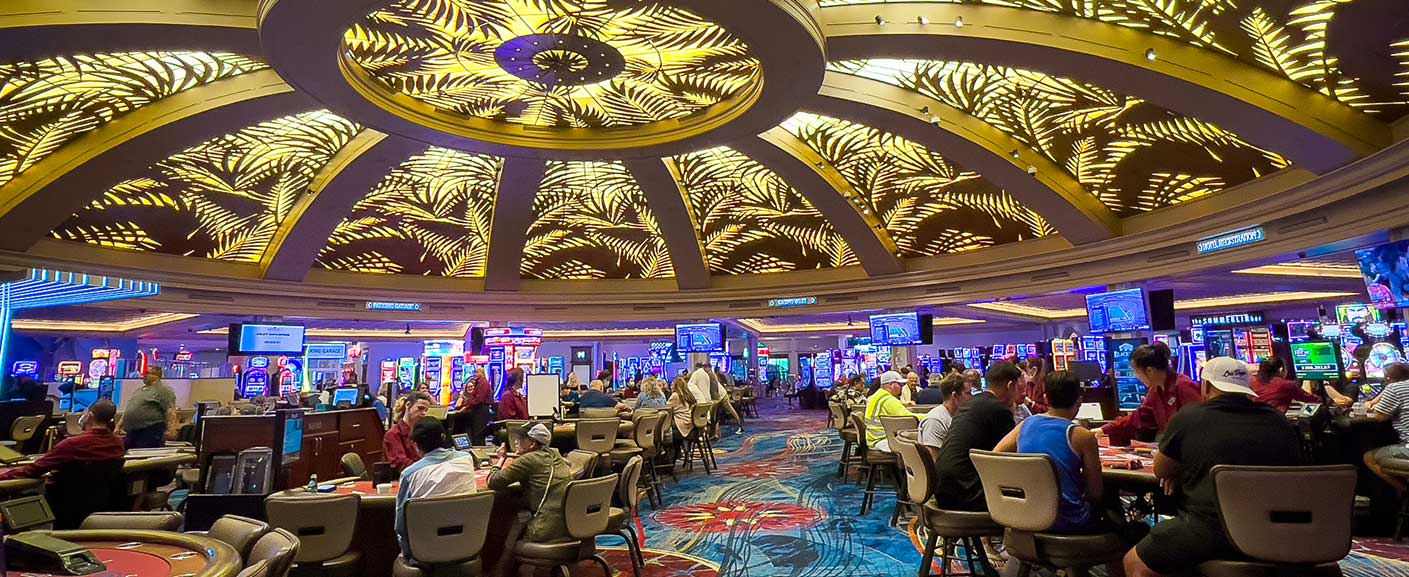
The environment in which gambling occurs plays a crucial role in shaping gambling behavior. Casinos, for instance, are designed to create an immersive experience, with bright lights, sounds, and other sensory stimuli that heighten excitement and distract from the reality of potential losses. These environments can foster a sense of euphoria, often leading individuals to gamble more than they initially intended.
Moreover, the accessibility of online gambling platforms has further complicated the landscape. With the ability to gamble from home, individuals may find themselves engaging in gambling behavior more frequently and impulsively. The convenience and anonymity provided by online casinos can reduce the perceived consequences of gambling, leading to increased risk-taking behaviors.
Additionally, the presence of promotional tactics, such as bonuses and loyalty programs, can significantly impact gambling decisions. These incentives can entice players to bet more than they initially planned, making it easy to lose track of time and money. The psychological effects of these environmental factors highlight the need for responsible gambling practices, emphasizing the importance of self-regulation in mitigating potential harm.
Exploring Responsible Gambling and Support
Understanding the psychological triggers behind gambling behavior is essential for promoting responsible gambling practices. As individuals become aware of the cognitive biases and emotional factors that influence their gambling decisions, they can better manage their behaviors and make informed choices. Responsible gambling involves setting limits, recognizing the signs of problem gambling, and seeking support when needed.
Support systems, including counseling and support groups, can play a vital role in helping individuals address gambling-related issues. Many organizations provide resources and tools to help individuals understand their relationship with gambling, offering strategies to cope with urges and emotional triggers. Creating an environment that encourages open discussions about gambling can also promote awareness and reduce stigma, allowing individuals to seek help without fear.
As a comprehensive platform, Online Pokies NZ serves as an essential resource for players seeking to make informed gambling choices. With extensive reviews and guidelines on safe gaming practices, it ensures that users are aware of the psychological factors at play. By promoting secure and enjoyable gambling experiences, the site fosters a community that prioritizes responsible play and understanding of gambling behavior.